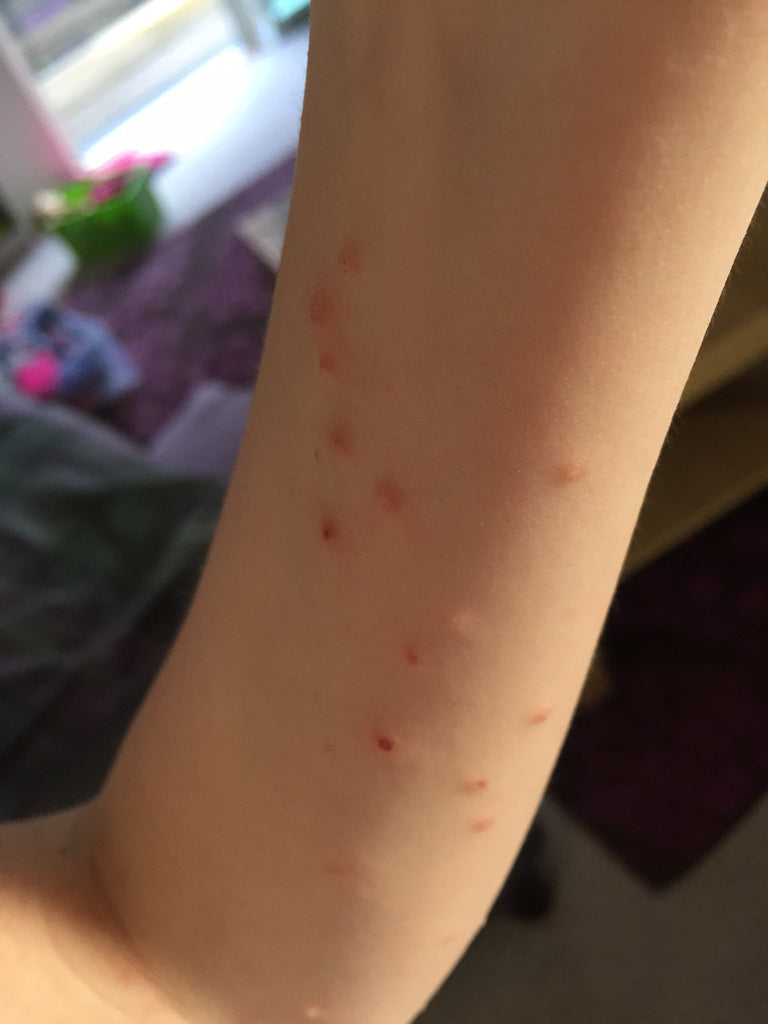
Having eczema or having a child with eczema can feel like such a lonely time. Continue reading
-
Recent Posts
Recent Comments
Archives
Categories
Meta
Having eczema or having a child with eczema can feel like such a lonely time. Continue reading
Being a parent of a child with eczema can be difficult, a constant regime of creams and treatments and doctors appointments. It can also often feel very lonely, especially if you have nobody to talk to, nobody who understands what childhood eczema involves. Today, we’re hearing from Amy, who knows what parents of infant eczema sufferers go through all too well.
Hello my name is Amy, I am 24 years old, and live in Surrey with my 2 children Stephen (age 4) and Bethany (age 3).
I have had a lot of experience with eczema, as my daughter Bethany has a rare skin condition called ‘Photo Aggravated Eczema’. This condition means that she is allergic to UV rays and her skin blisters, burns, gets covered in rashes and is very, very itchy.
She has had a lot of problems since the day she was born. At 6 months old we were told that she was allergic to milk and soya. Then at 1 and a half Bethany’s skin got really bad and she had scars all over her body where she had torn herself apart. Six months after that Bethany was diagnosed with the Photo Aggravated Eczema which we are still struggling to deal with today. Recently she has been diagnosed with lots of other different allergies, such as Wheat, Egg, Nuts, Fish, Cats, Dogs, Penicillin, Dust. And she is also having severe heat reactions and is currently under Great Ormond Street Hospital for further diagnosis.
Day to day life is a very big challenge. UV rays and heat are very difficult to avoid so Bethany lives in body suits, bandages and wet wraps. Bethany doesn’t sleep very much due to her skin being so sore and itchy and is always in and out of hospital. She has a dermatology specialist, a dermatology nurse, and an allergy specialist in our local hospital. There is also a paediatric dermatologist in Great Ormond Street, and a photosensitive specialist at St. Thomas’s Hospital. She has recently been referred to a dietician but unfortunately we are still struggling.
Bethany is on a lot of different medication daily, she is creamed every 2 hours with 3 different creams. She is also on a high dose of an antihistamine but, due to her immune system being low her body gets immune to all the treatments very quickly. This means we are always swapping and changing.
I have bought three wet wrap suits for Bethany to help cool her skin; this is how I heard about the blog for eczema. I have been offered a place as blog ambassador, which I am very honoured and so happy to accept so I can try and give others advice. And it is always nice to get advice back too, because I know what it’s like when to feel alone and that nobody understands what you’re going through. People do and I’m here to prove that to you.
Can you relate to Amy’s story? Do you need some advice, or just a friendly ear? Check out our forum – it’s a great place to connect with like minded people and exchange advice & support.
Today we’re meeting another real-life eczema sufferer, Lucy from Surrey, about how treatments have improved since she was diagnosed as a baby and how she’s certainly not going to let eczema run her life! Over to Lucy:
Hello, my name is Lucy, I am 42 and live in Surrey with my son. I am a full time student, currently finishing a postgraduate degree in creative writing, and also coming to the end of a teaching qualification. I write and perform poetry and sometimes have it published too! My son is about to turn six next month, and as a single parent it is fair to say I have plenty to keep me busy at the moment! Continue reading
Meet Lynette, our newest blog ambassador. She’s 32, runs a successful wedding shop in Cannock, and has suffered with eczema all her life. Today, she shares some thoughts on how eczema has been affecting her everyday life for as long as she can remember:
At the age of 32, eczema has become a part of who I am. Although I have tried not to let it define me, I have to say that at times, it has ruled my life. It has dictated what I have worn, affected my moods, and most of all made me feel ugly and depressed. Some might say I should have got used to it by now, and just accepted it, but I haven’t. Continue reading
Do you keep a diary of your eczema triggers? Sometimes it can really useful to predict flare up and then in time keep them to a minimum. Here we offer a few preventative and practical tips to help you ease the itch of Eczema.
Continue reading
If your little one suffers with eczema, chances are their poor little feet may be affected too. The condition is known as Juvenile Plantar eczema.
Sadly it’s very common, as eczema thrives in the sweat-prone, more moist areas of the body – which can obviously make feet a predictable place for it to appear.
Eczema anywhere on the body is no fun at all, but Juvenile Plantar eczema is a condition that can be especially uncomfortable for young children, so it’s important to find the best way to treat it.
What can provoke eczema on the feet?
Heat & humidity can make Juvenile Plantar eczema worse, so be sure to pay extra attention during warm weather periods, but equally during the colder months, as extra socks, wellies and even central heating can produce the same effects.
We all know how much children love to run around and play, and of course this should be encouraged – but do be aware that energetic activities are also more likely to result in extra perspiration on your child’s feet, so precautions should be taken.
Prevention is better than cure.
As with all sorts of eczema, there are things you can do to try to stop an outbreak before it begins. Shoes made from synthetic materials are less likely to let little feet breathe, and the same goes for socks – so choose carefully and go for natural, breathable fabrics wherever possible that are less likely to irrirate.
When you’re at home, let your little one be barefoot whenever possible, as keeping their feet in shoes and/or socks for long periods of time can also contribute to the problem.
What are the symptoms?
The symptoms of Juvenile Plantar eczema can range from red, irritated dry skin, to cracked or even bleeding feet. The big toes are often affected worse, which can make wearing shoes uncomfortable or painful. The condition can also cause clear, often painful blisters which can result in infection in more serious cases.
As we’ve covered already, prevention is often the best treatment. Make sure your child only wears 100% cotton socks, and choose footwear in natural fabrics wherever possible.
Keep bathtime as natural as possible too – as unnecessary chemicals and fragrances can irritate eczema on the feet in the same way as they do anywhere else. Be sure to use a soft towel to gently but completely dry your little one’s feet afterwards, paying special attention in between their toes.
It’s also very important to find an effective cream or lotion to treat the condition and offer relief when it flares up. As with all other eczema, this can involve a process of trial and error, but look for rich, organic formulas to lock in as much moisture as possible.
As always, if your child is suffering or the symptoms seem to be getting worse, don’t hesitate to contact your GP.
For many eczema sufferers, the worst thing about the condition is that there really isn’t a ‘cure’. The painful, dry, itchy, sometimes cracked skin becomes a horrible part of your life that you simply have to learn to live with.
But just because there’s no cure, doesn’t mean there’s nothing you can do to prevent and/or relieve your symptoms.
Prevention is better than cure.
Knowing what causes your eczema can sometimes help avoid a flare up in the first place. Download our free symptom spotter and try to identify your own personal triggers. By avoiding certain foods or fabrics you may be able to reduce your symptoms considerably.
Plan Ahead
When doing your laundry, always use non-biological formulas, or consider a natural alternative such as soap nuts. Avoid fabric conditioners as they’re really just added chemicals – if you want fresh, fragrant laundry, try adding a couple of drops of your favourite essential oil to the load instead. Also, give your washing an extra rinse at the end of the cycle to remove as much traces of detergent as possible to keep those irritants away from your skin.
Shop Carefully
Choose clothes that are made from natural fabric that allow your skin to breathe. Avoid synthetic fibres at all costs, and in general, steer clear from anything too heavy or binding. Several light layers you can adjust accrding to temperatures are a better option for sensitive skin.
Tailor Your Bath & Bed Time
For those with airborne allergies, bathing twice a day can be a massive relief – however other forms of eczema can in fact be irritated further by water, so work out what works best for you or your child and stick to it. (Especially in the case of children, a weekly bath and simply ‘topping and tailing’ morning and night may suffice.) Whatever the case, be sure to moisturise like crazy every day to lock as much precious moisture into your skin as possible.
Choose only 100% cotton bedding, and be sure to wash it at least once a week at 60 degrees to kill off dustmites. Keep your fingernails short (that goes for adults as well as kids!) to avoid unknowingly scratching during the night.
If your little one can’t sleep without a favourite stuffed animal, pop it in a freezer bag and freeze overnight then wash and dry to kill off dustmites. (Top tip – buy two of the same cuddly toy so you can make the switch without tears!)
Moisturise, Moisturise, Moisturise!
It really is the best, most important thing you can do for your skin. Sadly there is no ‘one size fits all’ moisturiser (you may even find you need two different types – one for everyday use, and one for extreme breakouts), so it really is a case of trial and error to find your perfect cream. Once you do, stock up, and use it as often as possible. For children, get into the habit of applying at every nappy change. For yourself, use before you get dressed in the morning and before you go to bed at night. keep a small bottle in your bag too, so that you always have it to hand in case of a flare up during the day.
Know when to ask for help.
As much as we believe that it’s possible to control your eczema yourself, it’s equally important to know when you should seek help from your doctor. Knowing your own skin is essential, and as soon as anything looks or feels different, especially if the skin is broken, bleeding or weeping and there is a chance of infection, you should contact your GP immediately.
If you feel your own or your child’s eczema is not responding to treatment, so ask for a referral to a dermatologist. It’s not always easy to get referred to a specialist, so read up on the NICE guidelines and keep going until you have success!
Is there anything you’ve found that really helps prevent or treat an eczema breakout? Let us know in the comments & you could help someone else ease their suffering!
We often get asked about wet wrapping and so thought it was about time that we talked about this subject here. Our lovely friends in Canada The Eczema Company have written a really informative blog about when and how to use wet wrapping and have kindly allowed us to share it with you.
One of the best times of the day in our house is bath times; the bathroom gets taken over by a gaggle of bath toys and an exuberant 4 year old and copious amounts of water somehow make it out of the bath and onto the floor (thank heavens it’s tiled and not carpet!). It’s a real family affair with one of us always getting in the tub and it can take up to 40 minutes to get bath time done. We always take the time to make sure we’re putting the right bath product in the bath as it’s easy to get lured into buying character bubble baths and shower gels in the supermarket but in reality children’s skin is very sensitive and you need to try and keep it at a neutral PH to avoid dry skin and irritation, especially during the winter months.
Using natural bath oils in the bath can help moisturise and nourish skin and many of them have relaxing essences in to help calm and relax little ones before bed. Being rich, moisturising and a restorative bath emollient this means that they will feed delicate skin and help to avoid chaffing and rubbing during bathing and afterwards when getting dry as they lubricate the skin.
For washing new born skin and sensitive areas then a natural organic baby soap is absolutely perfect and definitely a must for bath time as many of the soaps contain natural homeopathic ingredients such as calendula, lavender and chamomile that will ensure skin stays soothed and not irritated which can be what happens with many commercial bath soaps.
To lock in all that goodness to the skin make time during the bath time routine for some baby massage; no matter how old your little one is they will always enjoy your gentle soothing touch and this is one of those times where you can really indulge in some cuddles. To keep the skin soft and supple whilst you moisturise look for a natural baby cream. Predominantly made with natural oils like sunflower and carrot the organic essences of rosewater and chamomile can be used not only as a general moisturiser but also to combat nappy rash, grazes, cuts and all the usual bumps and bruises that kids pick up.
A simple and soothing bed time routine using products like these can become a really relaxing part of the day. You may find that it relaxes your little one and they began to go off to sleep calmer and more rested and ultimately it’s a really lovely way to spend half an hour or more together having some close contact time.
You can read more from Charlotte at her brilliant blog ‘The Mummy Blogger‘, or by following @themummyblogger on twitter.
Here at Everything for Eczema, we love working with real people – people just like you, dealing with their own skin problems, and/or those of their children. We believe it’s a much better way to raise awareness, share experiences and offer advice than just bombarding you with stats and research and facts & figures.
With that in mind, we’re delighted to introduce our newest Blog Ambassador, Elaine.
Hi! I’m Elaine, I’m 31 & I live in Dorset with my husband and our 3 children Alana 7, Harriet 4 & Dominik 2. I’ve had my fair share of eczema experience, firstly with Alana. She developed it at the age of about 4 months, it was severe but it was contained to just her cheeks, so with the creams the Dr prescribed and some natural organic baby balm it was pretty much under control within a few months.
Harriet luckily avoided the evil infantile illness that affects so many babies, but then Dominik on the other hand had it the worst.
Dominik was four months old when his eczema started with very red, painful patches on his cheeks. He couldn’t sleep at night and he rarely smiled or laughed because his cheeks were so sore.
Our GP prescribed various different emollient and steroid creams but nothing helped. His support was next to nothing, just kept suggesting new creams without trying educate us about eczema. After a massive battle, some begging and a few tears we finally got a referral to a dermatologist.
The dermatologist explained exactly how to apply the emollients, and really spent time educating us about eczema. Every week we get through 1.5kg of Emollient cream, & very strong steriod cream that only the dermatologist can prescribe.
Dominik is now 2 years old, we have spent the last 20 months trying to get the eczema under control, some days are good, some are not. When things get bad we have to bandage his arms and legs in zinc paste bandages.
Our favorite “Eczema” product has to be “scratch me nots” which we found through www.everythingforeczema.com. They have been a total savior to stop the scratch/itch cycle giving his skin time to heal.
Dominik still suffers with eczema and also has severe allergies to house dust mites, eggs, soya, peanuts, and cashew nuts. Although our fight still continues, I really want to help other mums going through this, some times you feel alone there is not much information out there.
We’re so grateful to Elaine for sharing her experiences, if you’re going through similar, do leave a comment below & we’ll do our very best to offer help & advice. As Elaine said, sometimes you might feel alone, but we’re here to tell you – you’re not!